The Slotharian Chronicles Explore Worlds Beyond the Known Universe

The Slotharian Chronicles

Explore Worlds Beyond the Known Universe

Latest Articles

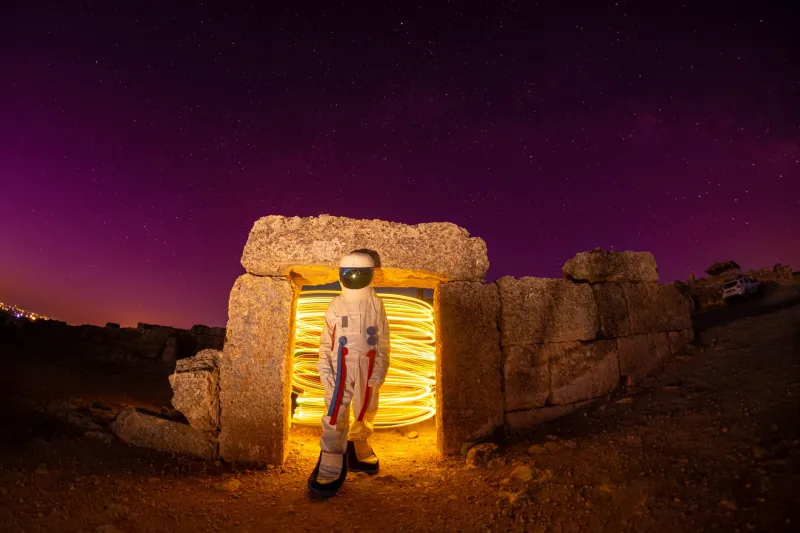
Blood, Sweat, and Spice: How Fictional Worlds Weaponize Rare Resources to Crown Their Kings
Worldbuilding

Blood, Sweat, and Spice: How Fictional Worlds Weaponize Rare Resources to Crown Their Kings

From the spice fields of Arrakis to the vibranium mines of Wakanda, the rarest materials in fictional universes don't just drive plot — they decide who eats, who rules, and who bleeds. The best worldbuilders understand that scarcity isn't just an economic concept; it's a moral one. And the way a civilization treats its most precious resource tells you everything about what that civilization actually is.

Silence Speaks the Loudest: How Fictional Worlds Sell Themselves Through the Rules Nobody Ever Says Out Loud
Worldbuilding

Silence Speaks the Loudest: How Fictional Worlds Sell Themselves Through the Rules Nobody Ever Says Out Loud

The best sci-fi and fantasy universes don't hand you a manual for how their societies work — they make you figure it out from the sidelines, the same way you'd figure out the vibe at a party where you don't know anyone. It's the unwritten stuff, the social contracts baked into a glance or a pause, that makes a fictional world feel like it existed long before the story started. This piece digs into why those invisible norms hit harder than any amount of lore-dumping ever could.

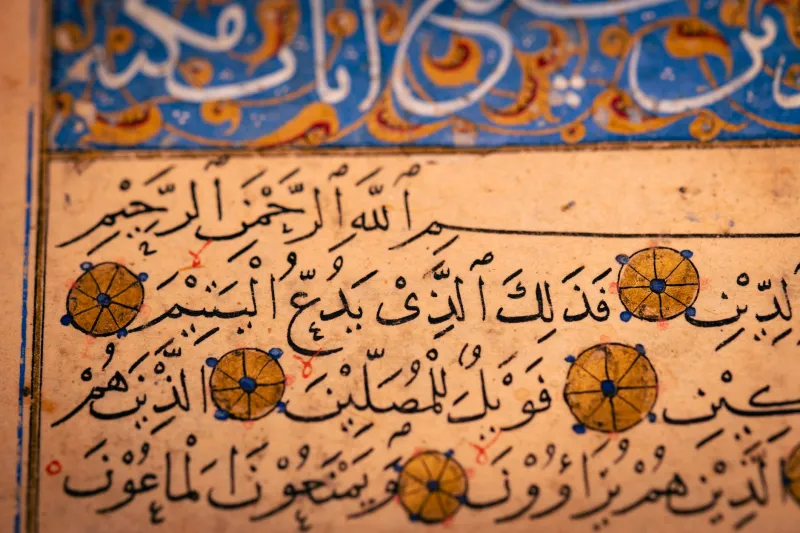
Sacred Blueprints: How the Best Fictional Universes Borrow from Real Religion Without Losing the Soul of It
Worldbuilding

Sacred Blueprints: How the Best Fictional Universes Borrow from Real Religion Without Losing the Soul of It

The greatest fictional faiths aren't invented from scratch — they're built on the bones of traditions that have meant something to real people for thousands of years. But borrowing from living religion is a high-wire act, and the drop is steep. Here's what separates the worldbuilders who get it right from the ones who just grabbed a costume.

The Artist Drew It First: How Concept Art Quietly Writes the Rules of Fictional Universes
Worldbuilding

The Artist Drew It First: How Concept Art Quietly Writes the Rules of Fictional Universes

Long before any screenwriter types 'INT. ALIEN DESERT - DAY,' a concept artist has already decided how the sun hits the sand, what the sand is made of, and whether anything alive has figured out how to survive under that particular light. Concept art isn't decoration — it's the first draft of a world's physics, ecology, and culture. Here's why the illustration board might be the most underrated worldbuilding tool in the business.

The Ghost of Empires Past: How Worldbuilders Raid Real History to Make Fiction Feel True
Worldbuilding

The Ghost of Empires Past: How Worldbuilders Raid Real History to Make Fiction Feel True

The greatest fictional universes weren't conjured from thin air — they were stitched together from the wreckage of actual civilizations, mythologies, and wars that haunt our collective memory. When Westeros feels ancient and weighty, or a sci-fi federation feels uncomfortably familiar, there's a very good reason for that. The bones of real history are buried just beneath the surface.

Nothing Comes Free: How the Best Fictional Worlds Make You Pay for Every Miracle
Worldbuilding

Nothing Comes Free: How the Best Fictional Worlds Make You Pay for Every Miracle

The moment a fictional world slaps a real price tag on its most extraordinary powers, everything changes — the stakes get heavier, the characters get more interesting, and the universe suddenly feels lived-in and true. From the brutal arithmetic of Fullmetal Alchemist's equivalent exchange to the galaxy-bending economics of Dune's spice trade, scarcity might just be the most underrated tool in a worldbuilder's kit. Here's why the best creators in sci-fi and fantasy never let their miracles come

Cracked Creation: What Happens When the Gods of Fictional Universes Royally Screw Up
Worldbuilding

Cracked Creation: What Happens When the Gods of Fictional Universes Royally Screw Up

Perfect gods make for boring stories. The most compelling fictional universes are the ones where divine beings fumble, miscalculate, and occasionally blow up everything they were supposed to protect. Here's why a deity's capacity for catastrophic error might be the single most honest thing a fictional world can offer.

Rooting for the Wrong One: How Fictional Universes Built Villains Too Human to Hate
Worldbuilding

Rooting for the Wrong One: How Fictional Universes Built Villains Too Human to Hate

The best fictional universes don't just give you a villain to boo — they give you one to understand, maybe even quietly cheer for. From Darth Vader's tragic fall to Magneto's unshakeable grief, the greatest antagonists are built with enough moral texture that the label 'villain' starts to feel uncomfortably thin. Turns out, the most powerful worldbuilding move a creator can make is refusing to let evil be simple.

Every Syllable Tells a Secret: What Invented Languages Reveal About the Worlds That Speak Them
Worldbuilding

Every Syllable Tells a Secret: What Invented Languages Reveal About the Worlds That Speak Them

A truly constructed language isn't just decoration — it's a civilization's entire belief system compressed into grammar and sound. From Tolkien's Elvish to the Klingon spoken by thousands of real-world fans, the greatest conlangs in sci-fi and fantasy function like archaeological digs, unearthing what a culture values, fears, and worships without a single line of exposition. If you want to know whether a fictional world was built to last, look no further than the words its people use.

Loud Enough to Shake Worlds: The Art of Saying Everything Without Speaking
Worldbuilding

Loud Enough to Shake Worlds: The Art of Saying Everything Without Speaking

Some of the most inventive fictional universes never need a character to open their mouth to tell you exactly who they are. From bioluminescent skin patterns to the precise angle of a bowed head, non-verbal communication systems are quietly doing some of the heaviest lifting in sci-fi and fantasy worldbuilding. Here's why the silence speaks volumes.

Built to Humble You: How Fictional Civilizations Use Architecture as a Language of Awe
Worldbuilding

Built to Humble You: How Fictional Civilizations Use Architecture as a Language of Awe

The greatest fictional universes don't just describe massive structures — they make you feel small standing in front of them. From planet-wide cities to gravity-defying megastructures, the architecture of imagined worlds is one of the most powerful storytelling tools genre creators have ever picked up.

Cartography of Deception: The Hidden Secrets Buried Inside Fantasy's Most Famous Maps
Worldbuilding

Cartography of Deception: The Hidden Secrets Buried Inside Fantasy's Most Famous Maps

The maps folded into your favorite fantasy novels aren't just pretty decorations — they're carefully constructed lies, puzzles, and propaganda pieces designed to make fictional worlds feel achingly real. From Tolkien's suspiciously incomplete coastlines to the politically charged borders of Westeros, creators have long used cartography as a secret storytelling weapon. Here's what those maps are actually telling you when you read between the lines.

Watchers at the Edge of Everything: Why the Most Powerful Civilizations in Sci-Fi and Fantasy Never Lift a Finger
Worldbuilding

Watchers at the Edge of Everything: Why the Most Powerful Civilizations in Sci-Fi and Fantasy Never Lift a Finger

Some of the most awe-inspiring civilizations in fiction never throw a single punch, cast a single spell, or fire a single weapon. Instead, they watch, they wait, and they let the universe do the heavy lifting — and somehow that makes them the most terrifying forces in their worlds. Here's why worldbuilders keep returning to the art of strategic stillness, and why genre fans can't get enough of it.

Nobody Saw Them Coming: The Scrappy Underdogs Who Broke Fictional Universes Wide Open
Worldbuilding

Nobody Saw Them Coming: The Scrappy Underdogs Who Broke Fictional Universes Wide Open

From barefoot hobbits to grease-stained starship mechanics, fiction's most transformative characters rarely arrive wearing armor or carrying prophecies. We dig into why the overlooked, the underestimated, and the stubbornly ordinary keep reshaping entire worlds — and why we absolutely love them for it.

Patience Is Power: Why the Mightiest Forces in Sci-Fi and Fantasy Refuse to Rush
Worldbuilding

Patience Is Power: Why the Mightiest Forces in Sci-Fi and Fantasy Refuse to Rush

Speed gets all the glory in genre fiction, but some of the most awe-inspiring forces in sci-fi and fantasy universes operate on a completely different clock. From Tolkien's ancient tree-herders to Le Guin's quietly telepathic civilizations, deliberate slowness isn't a weakness — it's the ultimate flex. Here's why the best worldbuilders understand that the universe's most powerful beings are often the ones willing to simply wait.

Geological Souls: How Deep Time Transforms Fictional Universes Into Living, Breathing Worlds
Worldbuilding

Geological Souls: How Deep Time Transforms Fictional Universes Into Living, Breathing Worlds

The most unforgettable fictional universes don't just have history — they have deep time, that almost geological sense that civilizations rose and crumbled long before your story even begins. From Dune's layered millennia to the ancient ages of Middle-earth, the best worldbuilders borrow a trick from real science to make their creations feel genuinely alive. Here's how that works, and how you can use the same approach in your own projects.

The Slow Burn: How the Greatest Fantasy Worlds Keep You Guessing Until the Very End
Worldbuilding

The Slow Burn: How the Greatest Fantasy Worlds Keep You Guessing Until the Very End

The best fictional universes don't hand you everything at once — they make you earn it. From Tolkien's ancient footnotes to Sanderson's cosmic breadcrumbs, slow worldbuilding is the secret ingredient that keeps fans obsessing for decades. Here's what that means for your own creative work.